The 20th Regular Congress of the FIR
10. November 2026
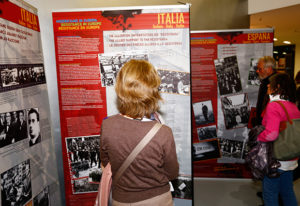
The 20th Regular Congress of the FIR took place in Lisbon on the first weekend of November. Delegates and guests from 15 countries were in attendance as the future of the FIR was discussed. Thanks to the tremendous support of the Portuguese member association URAP, the Congress was able to take place in a dignified venue in the city of the 1974 “Carnation Revolution.”
It began with a celebration marking the organization’s 75th anniversary. This ceremony included the presentation of the Michel Vanderborght Prize to individuals and institutions that carry out important work in line with the FIR’s mission.
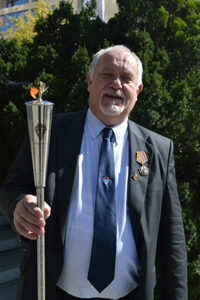
The Congress itself, of course, provided an account of the past three years, but through President Vilmos Hanti’s opening address and various contributions from delegates, it also offered guidance for the work ahead. This was also the core of the main resolution, which addressed future tasks and, consequently, the future of the FIR. Four thematic areas were identified therein:
The FIR and its member associations must make an active contribution to limiting and preventing wars. As “ambassadors of peace” for the UN, they bear a great responsibility in this regard. This issue will also involve reconciling the diverse positions within the FIR associations in a way that enables coordinated action.
No one would have expected 75 years ago that the slogan “Never Again Fascism” would once again be on the agenda in nearly all European countries. Together with forces in civil society, the FIR stands against this dangerous shift to the right. However, we also recognize that the FIR has not yet been successful enough in effectively countering this shift to the right at the international level.
A “unique selling point” that sets us apart from other democratic organizations is our work of remembrance. It is based on the legacy of the women and men who founded the FIR 75 years ago. In many countries today, we must work to combat historical revisionism and the erosion of memory. In this regard, we can look to the impressive contributions of our member organizations. Even small organizations are doing outstanding work in this area.
The FIR and its member organizations—and this is the fourth point—can only accomplish all these tasks in collaboration with future generations. It is therefore a central task for all organizations to develop a vibrant connection with today’s generations, to convey the legacy of the survivors to them, while also providing space for the questions and perspectives of today’s generations.
It was a significant sign that this resolution was adopted unanimously.
To ensure the organization is prepared for the future, the delegates had previously approved a revised version of the bylaws. Once it is officially registered, we will publish it on this website.
The election of the new executive committee also took place with broad consensus. Representatives from nine European countries are represented on the committee.
Further reports will follow.